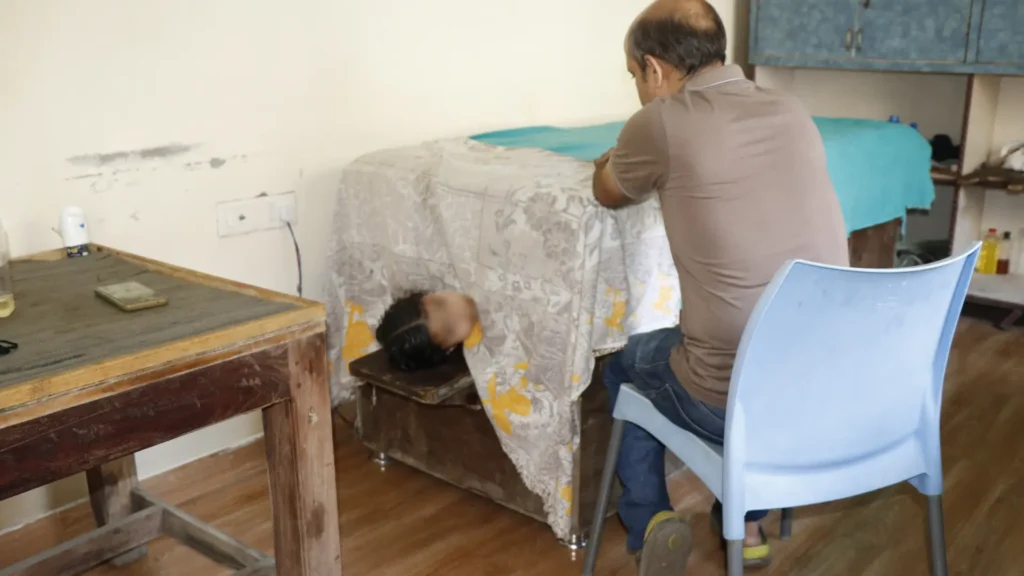
Deep tissue massage has been found to be beneficial for individuals with autism spectrum disorder (ASD). Research suggests that deep tissue massage can:
Reduce anxiety and stress
Improve social interactions and communication
Enhance sensory integration and processing
Decrease tactile defensiveness (hypersensitivity to touch)
Improve sleep quality
Increase oxytocin levels (the “cuddle hormone,” which promotes social bonding)
Reduce symptoms of depression and anxiety
Relief from chronic pain and inflammation
Improved range of motion and flexibility
Reduced muscle tension and stress
Improved circulation and scar tissue breakdown
Enhanced athletic performance and recovery
Deep tissue massage can be adapted to meet the individual needs and comfort levels of people with autism. Some techniques used in deep tissue massage for autism include:
Slow and gentle strokes
Deep pressure point work
Joint mobilization and stretching
Soft tissue mobilization
Trigger point therapy
Friction and kneading
– Myofascial release ( releasing tension in connective tissue)
It’s essential to find a qualified and experienced massage therapist who has worked with individuals with autism. They should be able to:
Create a comfortable and safe environment
Use gentle and gradual pressure
Be aware of sensory sensitivities and boundaries
Communicate effectively and adapt to individual needs